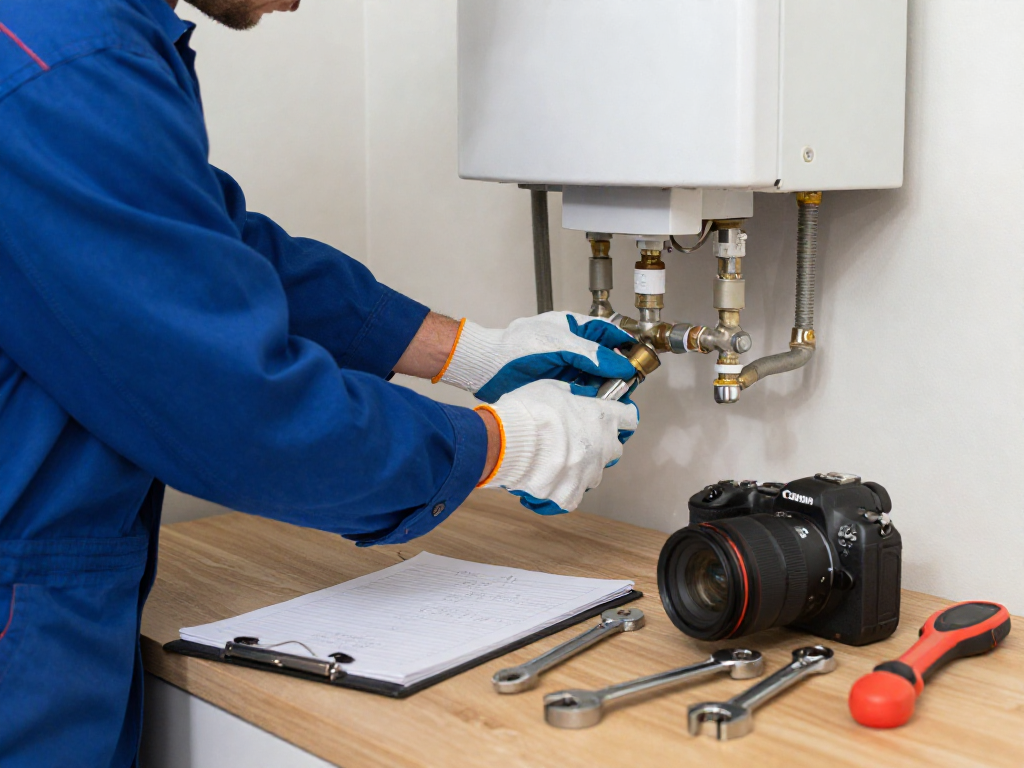
Understanding Water Heater Systems
Water heaters are crucial appliances in every household, providing the necessary hot water for various daily activities, from showering to cleaning. Understanding the different types of water heaters and their components can help homeowners make informed decisions about maintenance and repairs. In Fort Worth, where the climate can affect appliance performance, knowing when to seek water heater repair Fort Worth becomes essential for ensuring a reliable hot water supply.
Types of Water Heaters Available
There are several types of water heaters, each with its unique benefits and challenges. Here are the most common types:
- Tank Water Heaters: These traditional water heaters store a large volume of hot water in a tank, available on demand.
- Tankless Water Heaters: Also known as on-demand water heaters, they heat water directly without the use of a storage tank, providing a continuous supply of hot water.
- Heat Pump Water Heaters: Utilizing electricity to transfer heat from the air or ground to heat water, making them more energy-efficient.
- Solar Water Heaters: These systems use solar panels to collect energy from the sun, offering an eco-friendly heating option.
Key Components of Water Heater Systems
Understanding the key components of your water heater can help identify potential issues. Some critical parts include:
- Heating Element: Responsible for heating the water in the tank or on-demand.
- Thermostat: Monitors the water temperature and regulates the heating element.
- Pressure Relief Valve: Ensures safety by releasing pressure if it gets too high.
- Drain Valve: Allows for the flushing of sediment from the tank.
How to Identify Problems Early
Early detection of water heater issues can save homeowners from costly repairs. Look for signs such as:
- Inconsistent water temperature
- Unusual noises coming from the unit
- Water discoloration or sediment buildup
- Leaks around the unit
Common Issues with Water Heaters
As with any mechanical system, water heaters can encounter a variety of issues that require attention from skilled professionals.
Signs Your Water Heater Needs Repair
Being vigilant about the signs can prevent extensive damage. Some key indicators include:
- Cold Water: If your hot water runs cold unexpectedly, the heating element may be failing.
- Strange Sounds: Banging or popping noises often indicate sediment buildup, which affects efficiency.
- Water Leaks: Any pooling water around the base of the heater signals a leak that needs immediate attention.
Overcoming Typical Water Heater Challenges
Many homeowners face challenges with their water heaters, including:
- Inconsistent Heating: Often caused by a faulty thermostat or heating element.
- Low Water Pressure: This issue may arise from sediment buildup affecting flow.
- Odorous Water: This can result from bacteria in the tank; regular maintenance helps mitigate this.
Misconceptions About Water Heater Maintenance
Several myths can lead to neglecting necessary maintenance, such as:
- “Water heaters last forever”: They have a typical lifespan of 8-12 years.
- “Maintenance is unnecessary”: Regular servicing can extend the lifespan significantly.
- “It’s only about replacing parts”: Efficiency improvements often require more than just fixing broken components.
The Repair Process Explained
Understanding the repair process can alleviate concerns for homeowners when issues arise with their water heaters.
What to Expect During a Water Heater Repair
When a professional arrives for a water heater repair, they typically start with:
- Conducting a thorough inspection to diagnose the problem accurately.
- Discussing repair options, timeframes, and costs with the homeowner.
- Executing the repair work while ensuring all safety procedures are followed.
Tools and Equipment Used by Professionals
Professionals come equipped with various tools to handle different repair tasks, including:
- Wrenches and pliers for tightening and loosening fittings
- Voltage testers to check electrical components
- Tank drain valves for flushing sediment
- Multimeters to measure electrical resistance
Safety Precautions to Take
Safety is paramount when dealing with water heaters. Professionals observe guidelines such as:
- Turning off the power supply before beginning repairs.
- Allowing the heater to cool before working on it.
- Using protective gear to prevent injuries.
Cost Considerations for Repairs
Understanding the financial aspects of water heater repair is essential for homeowners aiming to budget effectively.
Factors Influencing Water Heater Repair Costs
Several factors can influence the overall cost of repairs, including:
- The type and brand of the water heater
- The severity of the problem
- Labor costs in your area
- Replacement parts needed
Estimating Your Repair Budget
Homeowners should prepare a budget by considering the average costs associated with common repairs, which can range from:
- Minor repairs ($100-$300)
- Major repairs ($300-$800)
- Full replacements ($800-$2,500)
When to Consider Replacement Instead
Sometimes, repairs are not cost-effective, and replacement becomes the better option. Consider replacing your water heater when:
- The unit is over ten years old and requires frequent repairs.
- It’s experiencing multiple technical issues simultaneously.
- The repair costs exceed half of a new unit’s price.
Expert Tips for Maintaining Your Water Heater
Adopting routine maintenance practices can greatly enhance the lifespan and efficiency of your water heater.
Routine Maintenance Practices Anyone Can Do
Homeowners can perform several simple maintenance tasks:
- Flushing the tank annually to remove sediment buildup.
- Inspecting the anode rod every few years and replacing it if necessary.
- Checking for leaks and corrosion regularly.
How to Extend the Life of Your Water Heater
To prolong the operational life of your water heater, consider these strategies:
- Set the temperature to a safe yet efficient level, around 120°F.
- Maintain proper insulation of the unit and piping.
- Schedule regular professional inspections.
Future Trends in Water Heater Technology
Staying informed about emerging technologies can help homeowners make better decisions. Current trends include:
- Smart water heaters that can be controlled remotely.
- Energy-efficient models that utilize alternative energy sources.
- Increased integration with home automation systems.
What are the Signs of Wear and Tear?
Homeowners should be aware of common signs indicating wear, such as:
- Visible leaks or moisture around the heater.
- Discoloration of water.
- Unusual sounds during operation.
How Often Should You Schedule Professional Maintenance?
It is advisable to schedule professional maintenance at least once a year to ensure optimal performance and address any potential issues before they escalate. Doing so can lead to significant savings in repair and replacement costs over time.